7 Common Energy Myths That Are Draining Your Vitality

A key insight from my in-depth exploration of energy management science lately has revealed just how frequently our assumptions about what depletes our vitality are completely off base. Everyone knows that sleep is vital for replenishing our energy reserves. It would sound absurd to claim, “I’m too
A key insight from my in-depth exploration of energy management science lately has revealed just how frequently our assumptions about what depletes our vitality are completely off base.
Everyone knows that sleep is vital for replenishing our energy reserves. It would sound absurd to claim, “I’m too exhausted to sleep.” Yet, people routinely declare, “I’m too fatigued to work out,” despite abundant evidence demonstrating that moderate exercise delivers an immediate surge in energy along with sustained enhancements to daily vitality levels over time.
In this article, I’ll delve into relevant studies, highlighting seven common behaviors where popular beliefs clash with scientific findings, and explore possible reasons why we remain misguided even with our personal experiences to draw from.
Misconception #1: Exercise Wears You Out
Following an exhausting day, the majority of individuals prefer collapsing on the sofa over heading out for a jog. Throughout much of human evolution, this preference made perfect sense. Resources like food were limited, daily existence demanded constant labor, and expending calories on non-essential pursuits wasn’t practical for survival.
Nevertheless, our innate tendency toward conserving energy misleads us regarding true vitality sources. Extensive meta-analyses indicate that short sessions of physical activity typically produce an invigorating outcome rather than depletion. Workouts enhance mental sharpness, elevate mood, and demonstrate powerful impacts on conditions such as depression, anxiety, ADHD, and others.
The advantages of regular exercise over extended periods are even more pronounced. Brain-derived neurotrophic factor, a key player in the cognitive enhancements linked to physical activity, increases with consistent routines, amplifying these brain-boosting benefits.
That being noted, intense workouts can cause short-term fatigue, and excessive training—more prevalent in elite athletes—can reverse these positives into negatives. Thus, while increasing activity benefits most people, excess is indeed possible.
Misconception #2: Socializing Depletes Introverts
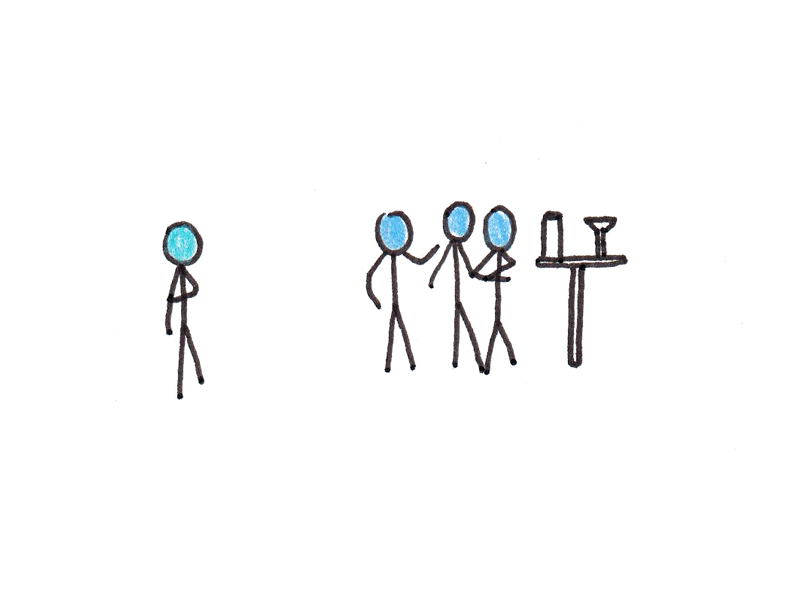
Picture this: you’re asked to chat with unfamiliar people for the next half hour. Does that prospect excite you or exhaust you?
Your answer could hinge on your personality type. Conventional wisdom holds that extroverts gain energy from social engagements, whereas introverts lose it. This notion traces back to early 20th-century thinker Carl Jung.
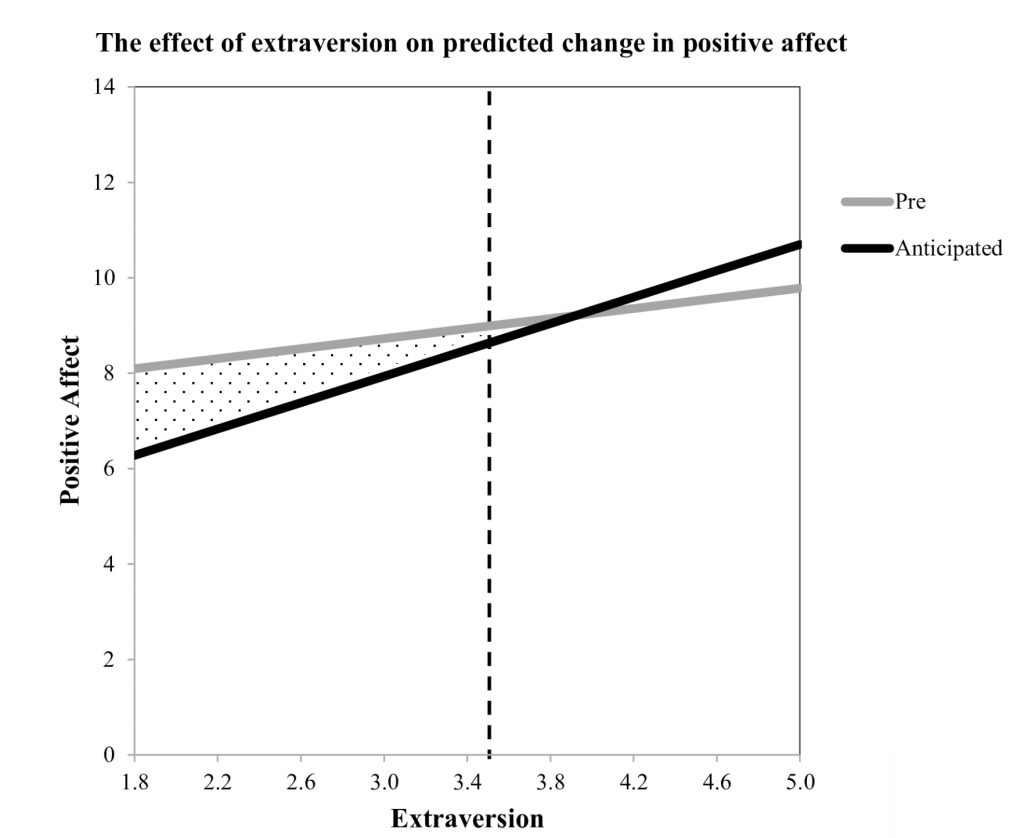
To examine this, scientists assessed extroversion levels in 146 volunteers, then had them predict the energy impact of 20 minutes spent mingling with strangers. Predictions aligned closely with Jung’s theory: the vast majority anticipated feeling drained, with only the most outgoing extroverts expecting a gain.
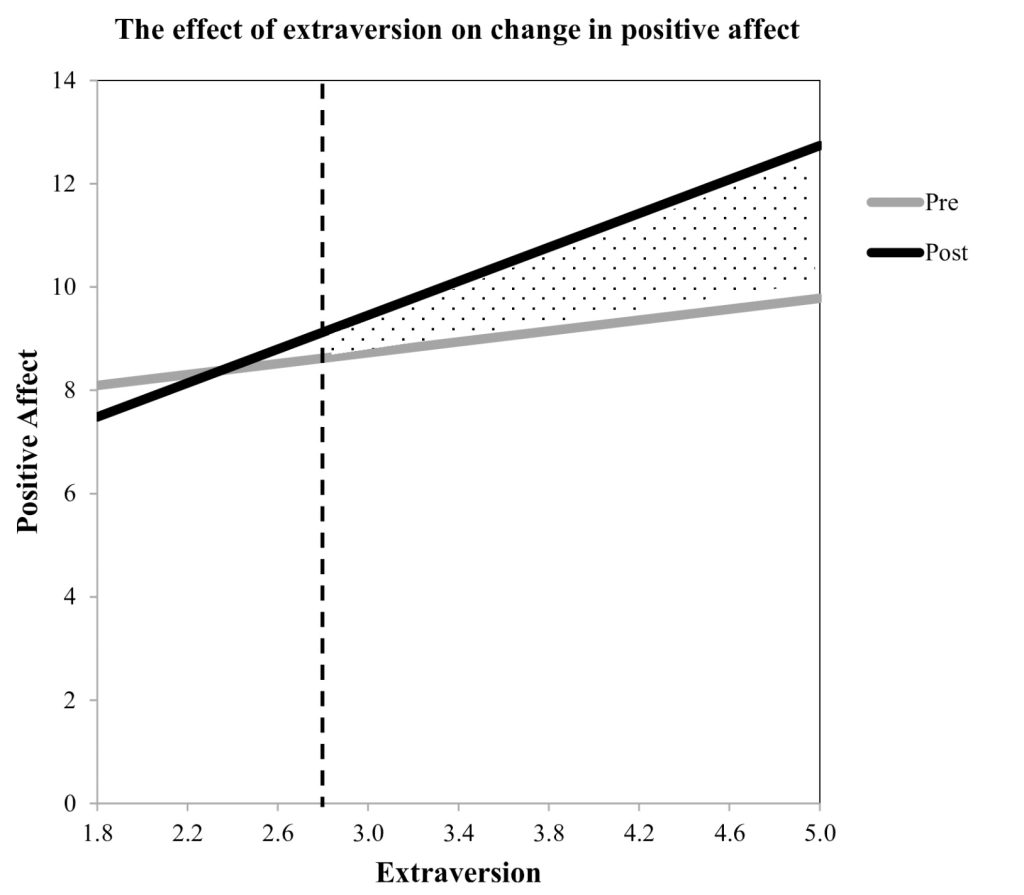
However, when participants actually engaged in unstructured one-on-one conversations with strangers, post-interaction mood reports painted a different picture. Almost all reported feeling uplifted afterward, barring the most extreme introverts who experienced no change.
This pattern appears in other research too. One experiment asked people to forecast their mood after commuting alone versus conversing with a stranger; most expected socializing to worsen their state, but results showed the contrary.
Misconception #3: Phone Scrolling is Ideal for Unwinding
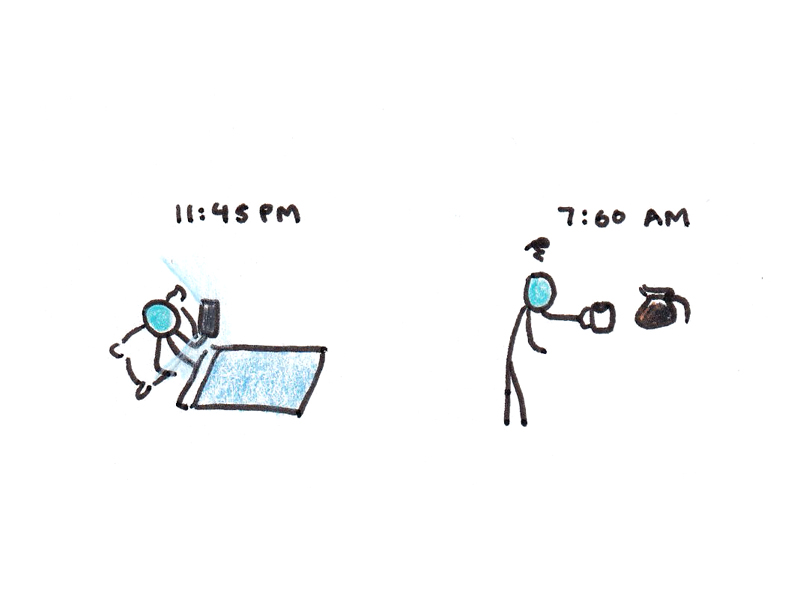
Screen time dominates our days. Statistics reveal that smartphones and social platforms haven’t replaced TV viewing; they’ve simply layered additional hours onto existing habits.
Many assume this passive scrolling offers essential relaxation. Yet, studies suggest excessive digital engagement often saps rather than restores energy. This isn’t solely due to screens—though content algorithms leveraging our negativity bias can heighten stress. The primary issue is their addictive pull, which delays bedtime and curtails sleep duration.
Screens also frequently lack the fulfillment and purpose derived from alternative pastimes. Post-activity regret from unfulfilling leisure can paradoxically drain us. Not every digital pursuit harms, but mindful selection supports better energy maintenance.
Misconception #4: Extended Work Hours Always Cause Burnout
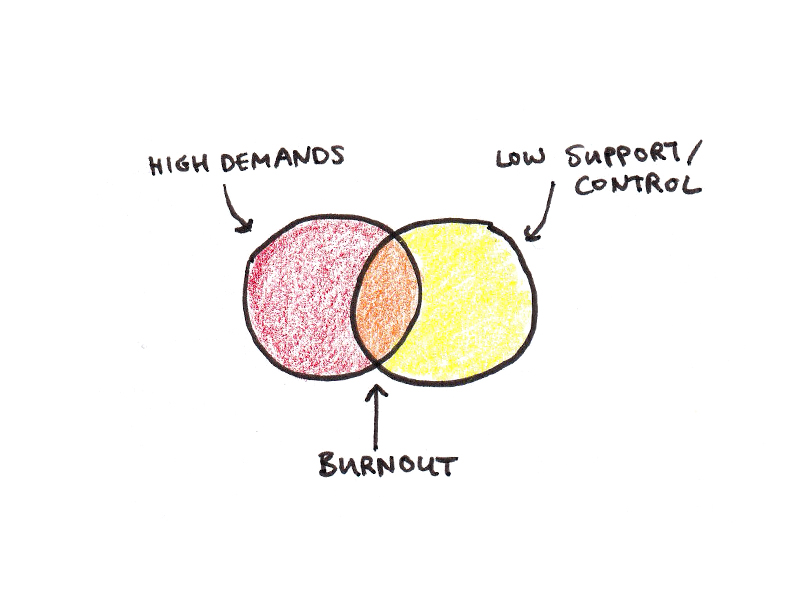
Comparing personal energy—our capacity for physical and mental tasks—to physical energy is metaphorical. This analogy tempts us to think hard work depletes a finite reserve, leading to burnout without sufficient recovery.
Fatigue’s reality proves more nuanced. Prolonged hours and intense demands correlate modestly with exhaustion and burnout, but autonomy dramatically moderates this. High control and purposeful tasks neutralize fatigue risks. Some experts contend the energy depletion model misrepresents fatigue as an emotional signal from unfulfilling efforts.
History abounds with relentless workers who thrived due to autonomy and meaning, avoiding burnout. Merely cutting hours without addressing low control or motivation won’t resolve core issues.
Misconception #5: Alcohol Improves Sleep Quality
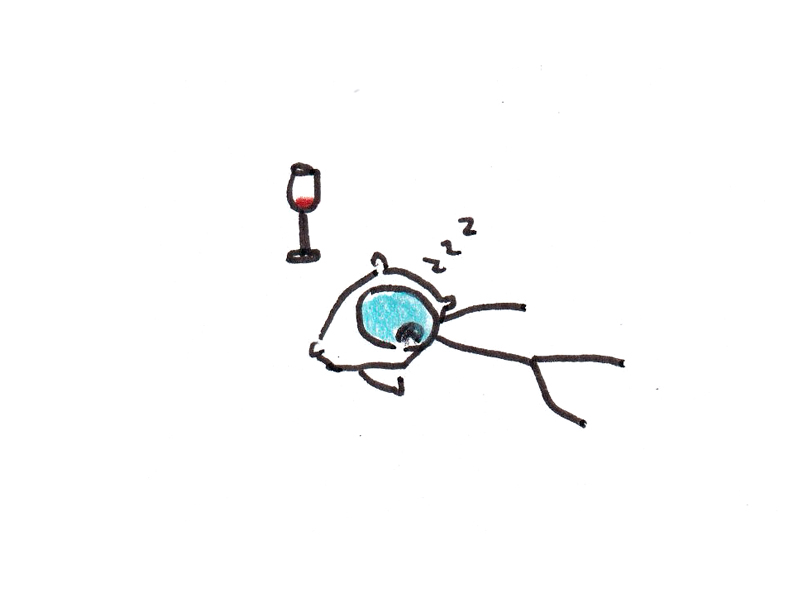
Quality sleep underpins vitality. Yet achieving it challenges many, as overthinking sleep paradoxically hinders it.
In response, aids like alcohol, pills, or cannabis become go-tos. Regrettably, alcohol’s sleep-promoting effects are deceptive. It eases unconsciousness onset but disrupts restorative sleep architecture. Chronic reliance fosters dependency, complicating natural sleep.
For insomnia, cognitive behavioral therapy for insomnia (CBT-I) excels, targeting flawed sleep beliefs and habits for reliable rest.
Misconception #6: Venting Eases Stress
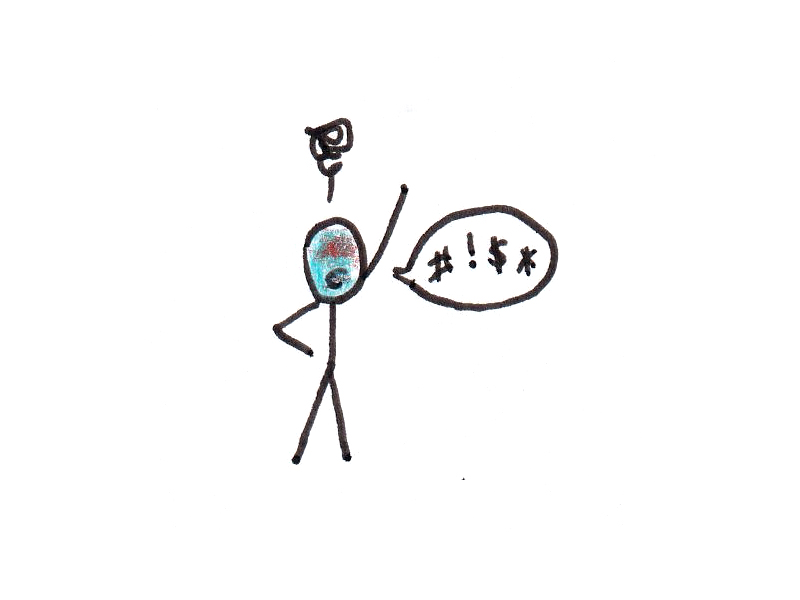
Stress erodes energy significantly. Unfortunately, common stress-relief tactics often exacerbate it.
The outdated hydraulic model suggested pent-up emotions must vent to avoid internal damage, promoting catharsis like rage-fueled outbursts.
Evidence disproves this: punching bags or ranting amplifies anger. Modern views emphasize emotions’ self-perpetuating cycles; breaking them requires interrupting reinforcement, not amplifying it. Opt for breathing exercises over venting, then address issues calmly.
(Partial) Misconception #7: Coffee Provides Lasting Energy Gains
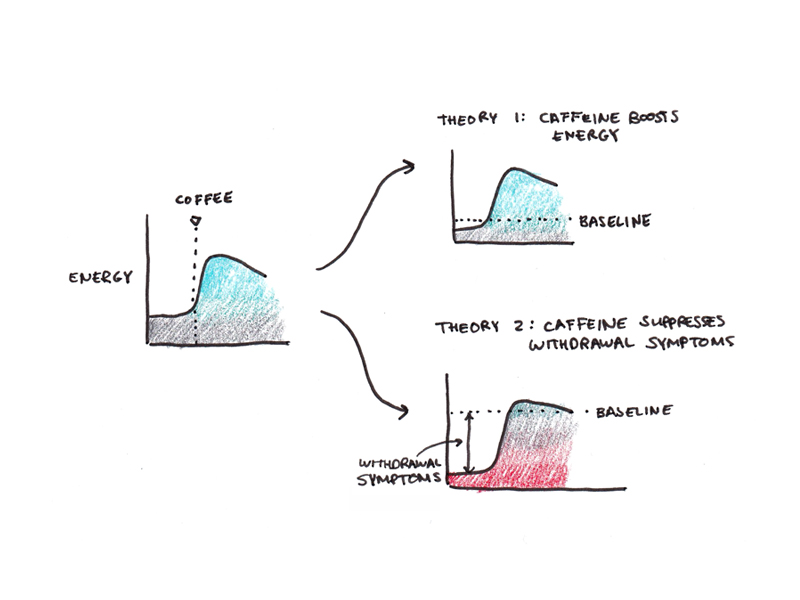
This isn’t entirely false, but exaggerated. Caffeine’s immediate perks—heightened alertness, reduced drowsiness, better endurance—are well-established. Coffee consumption supports health broadly.
Long-term cognitive upsides remain debated. Caffeine blocks adenosine, a sleep-inducing byproduct, yielding short-term wakefulness. Habitual use prompts more receptors, causing withdrawal fatigue sans coffee.
Studies rarely isolate true boosts from withdrawal relief. Proper trials compare caffeinated vs. abstinent states post-habituation and washout periods, indicating many benefits merely reverse withdrawal, not elevate baselines. Athletic gains may differ mechanistically, but caffeine’s enduring energizer status is questionable.
Understanding Our Energy Misjudgments
These discrepancies highlight a core energy management flaw: frequent errors in identifying energizers versus drainers. While intuitive ideas nail basics like sleep’s value or stress’s toll, enough misses warrant reevaluation for optimization.
Missteps often arise because energizing activities demand initial effort—like gearing up for exercise versus lounging—or provoke mild anxiety, like stranger chats, overshadowing net mood gains.
Subtler dynamics, such as caffeine’s mechanisms, require rigorous testing. Faulty metaphors portraying energy as depletable fuel also skew choices toward suboptimal strategies.
Beyond productivity, energy fuels well-being and joy. Mastering it enriches life profoundly.
Subscribe to the newsletter
Join 50,000+ others who get our content first. No spam, ever.